Polarized vs. Non-Polarized Lenses: Key Differences & How to Choose

Core Difference: Filtering Glare vs. Basic UV Protection
The key distinction between polarized vs non-polarized lenses lies in their ability to block scattered and reflected light:
-
Polarized lenses use a special filter (like "window blinds") to eliminate glare, enhancing clarity—ideal for driving, fishing, or skiing.
-
Non-polarized lenses only reduce brightness and offer UV400 protection, suiting everyday wear.
Functional Comparison (Table)
| Feature | Polarized Lenses | Non-Polarized Lenses |
|---|---|---|
| Glare Reduction | Yes (eliminates reflections) | No |
| Best For | Outdoor sports, driving | Daily use, fashion |
| Screen Compatibility | May cause rainbow glare on LCDs | No issues |
| Durability | Delicate (scratch-prone) | More scratch-resistant |
3 Key Factors for Buyers & Eyewear Retailers
-
Activity-Based Choice:
-
Choose polarized lenses for high-glare environments (e.g., best lenses for driving).
-
Opt for non-polarized for screen-heavy work or urban commutes.
-
-
Customization:
-
Polarized: Limited to gray/black.
-
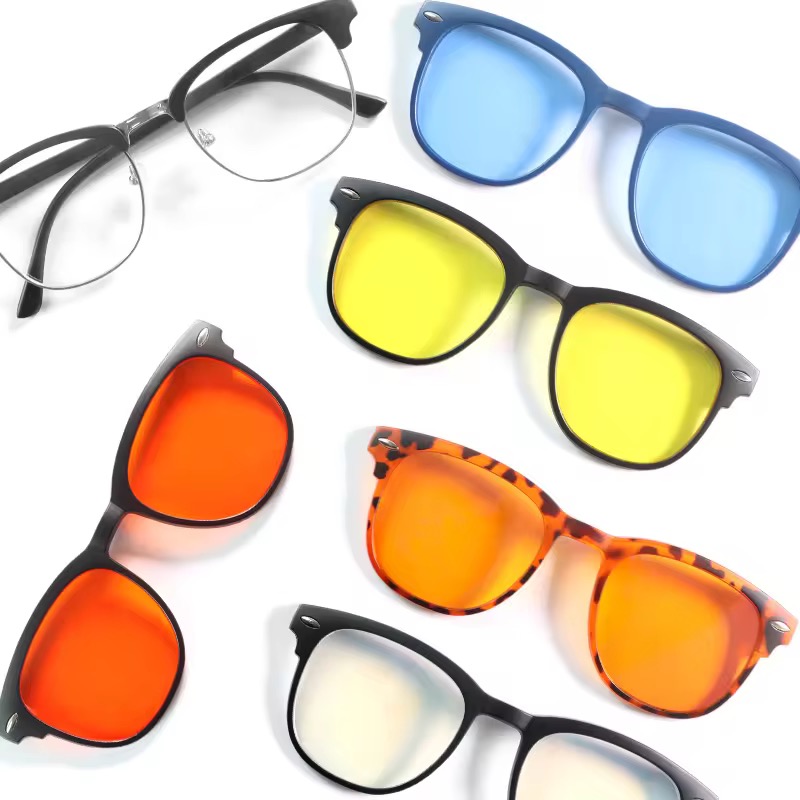
Non-polarized: Available in trendy gradients (e.g., brown, blue).
-
-
B2B Consideration:
Eyewear retailers wholesale should stock both types to cater to diverse client needs—adventurers vs. fashion-focused users.
Conclusion
Polarized lenses excel in glare-heavy scenarios, while non-polarized prioritize versatility. For eyewear retailers, offering both ensures broader market appeal.
Sustainable Eyewear Manufacturing: The Rise of Biodegradable Acetate Frames
Understanding Blue Light and Its Impact: Why Choose YMO Eyewear’s Anti Blue Light Solutions
Related Article