2025 May Become the Breakout Year for Smart Glasses

Introduction
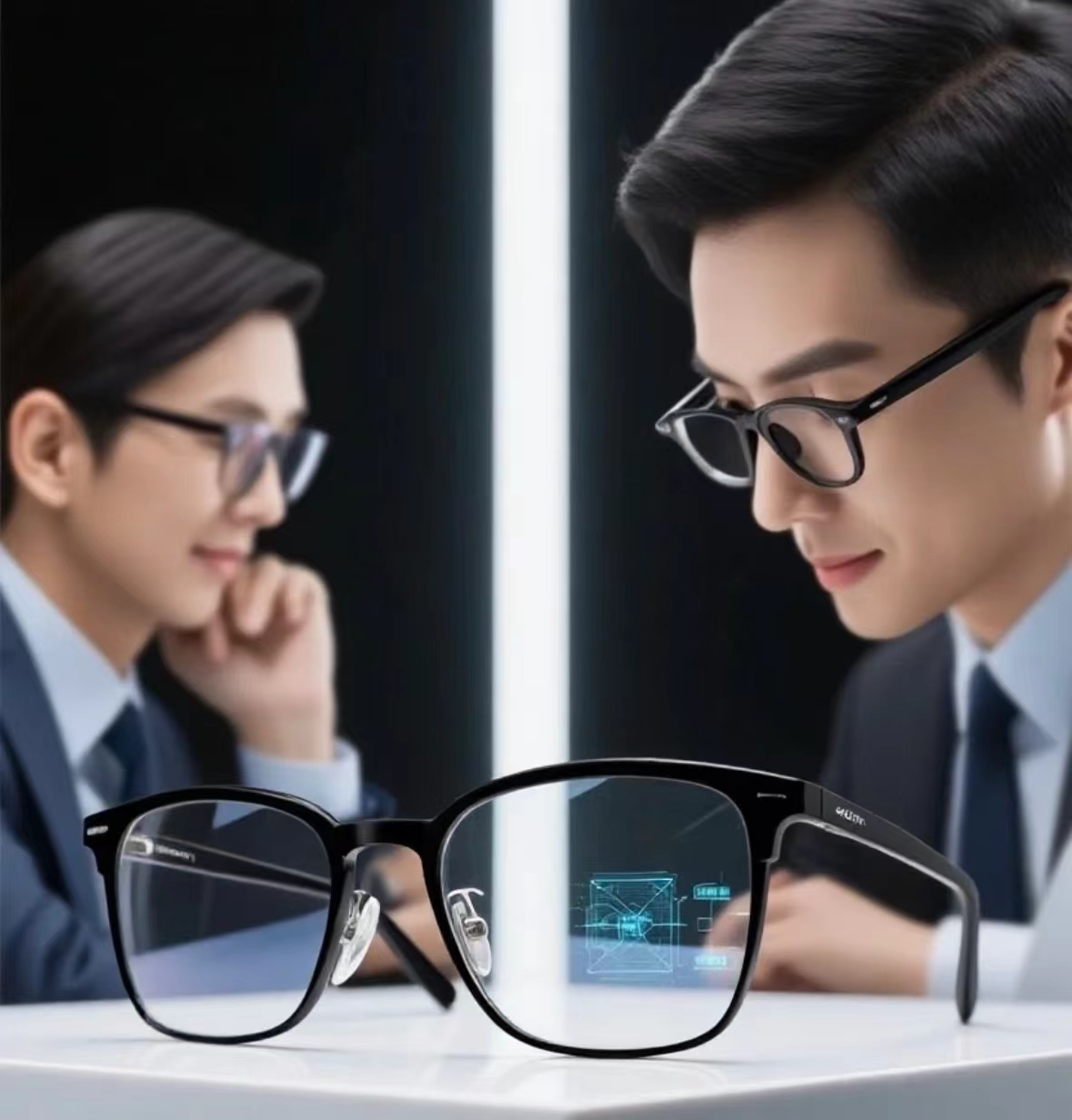
2024 has been a pivotal year for spatial computing, marked by two significant VR headsets: Apple's premium Vision Pro and Meta's more affordable Quest 3S. While these devices immerse users in digital worlds, their bulkiness often isolates wearers from reality. This is where their sleeker, more practical "cousin" – smart glasses – shines.
The Rise of Practical Smart Glasses
Modern smart glasses (defined here as internet-connected eyewear with apps) have evolved significantly from awkward early attempts like Google Glass. Today's models blend seamlessly into daily life while offering genuine utility.
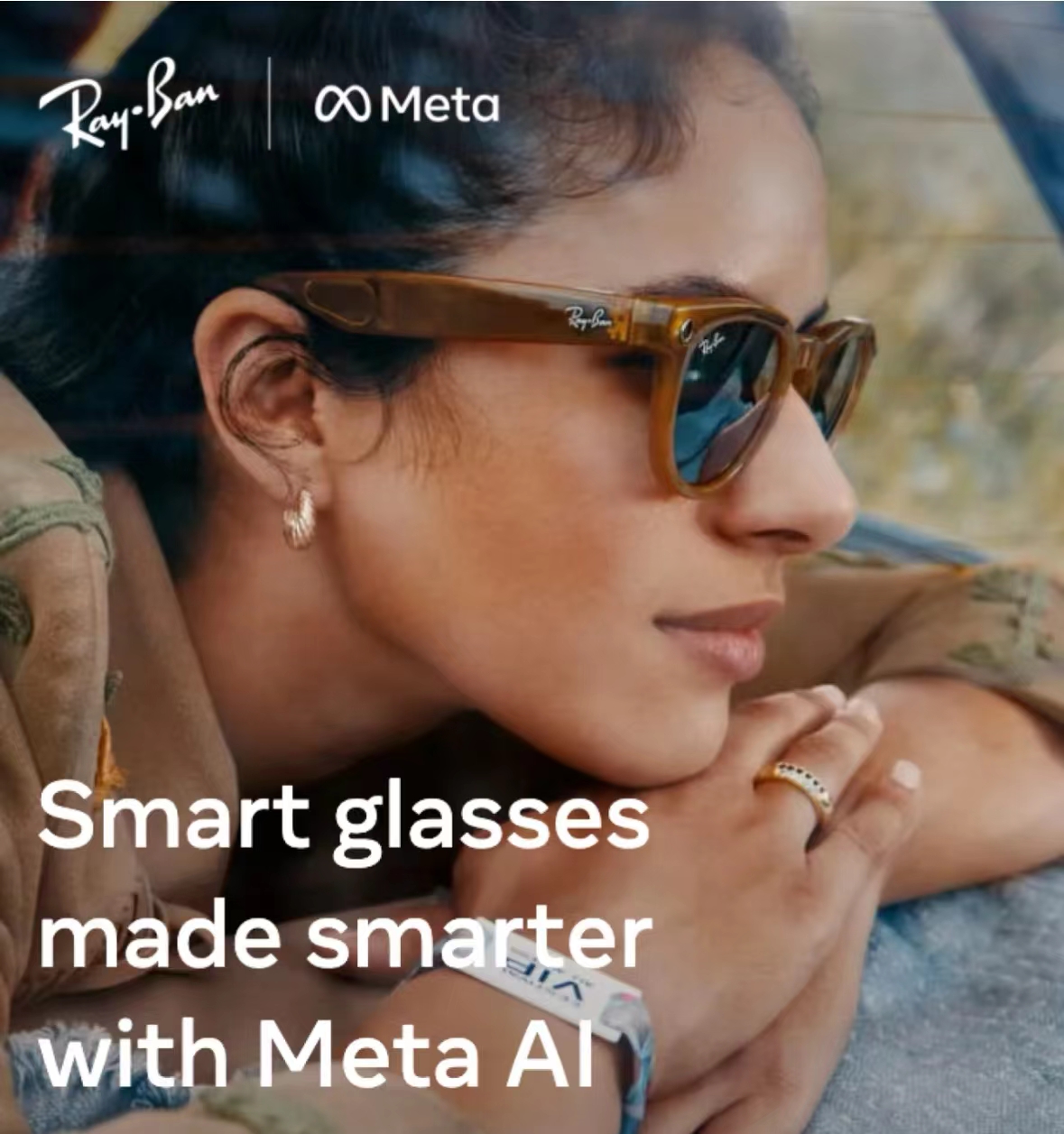
The Ray-Ban Meta series exemplifies this progress. Despite Meta's controversies, its collaboration with the iconic sunglasses brand has produced stylish, functional smart glasses that:
-
Capture photos/videos
-
Stream music and handle calls
-
Support Meta AI-powered voice commands
-
Recently added features like parking spot memory and song recognition
Key Market Trends
-
Display-Free Dominance: Ray-Ban Meta's success proves demand for non-VR smart glasses
-
Innovation Boom: Startups like Oppo, Swave and Emteq are developing diverse smart lens technologies
-
Display AR's Challenges: Companies struggle to balance functionality with wearability in AR glasses
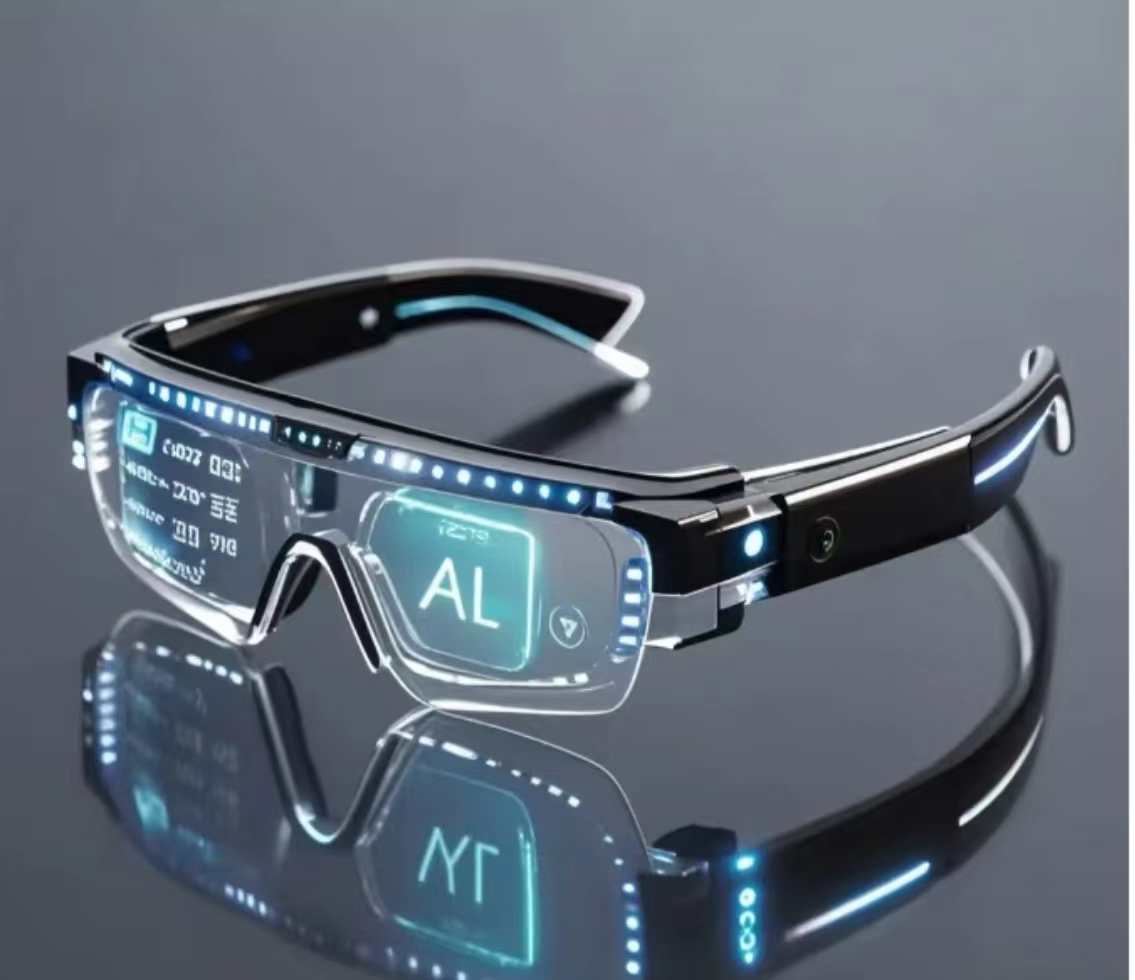
Industry Challenges
Major technical hurdles remain:
-
Miniaturizing computing power
-
Managing heat dissipation
-
Developing compact optical systems
As CCS Insight's Leo Gebbie notes: "Adding displays creates multiple engineering challenges requiring innovative solutions." These difficulties have led some companies to scale back AR ambitions, including Microsoft discontinuing HoloLens and Magic Leap restructuring.
Emerging Niche Applications
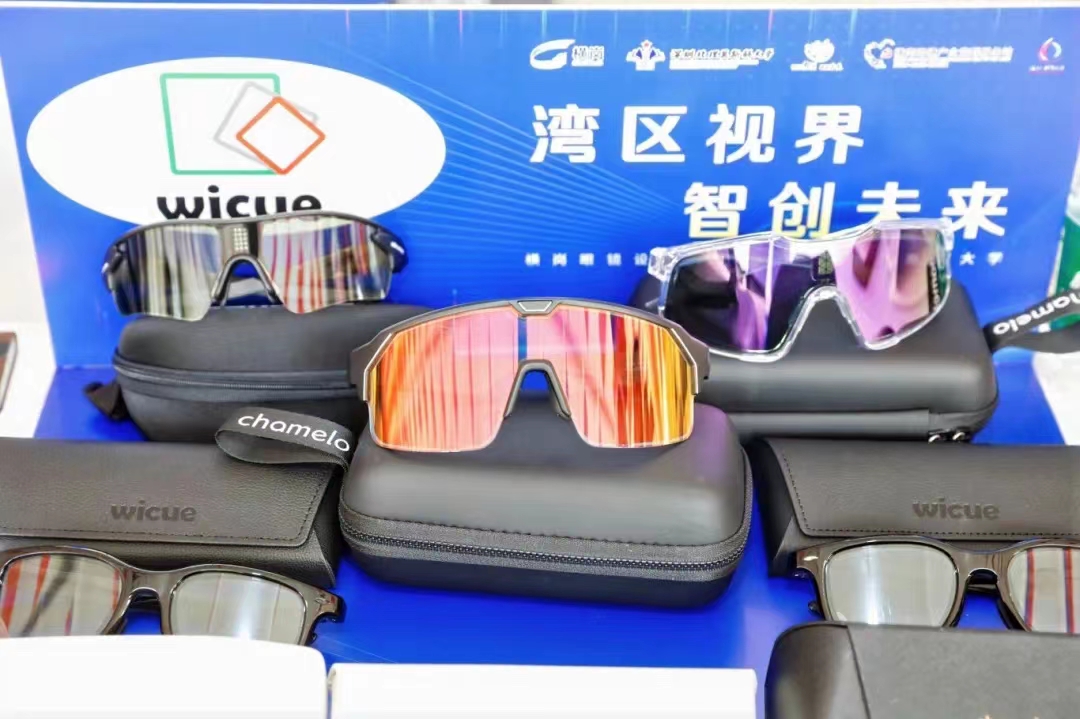
With general-purpose AR facing delays, specialized smart glasses are gaining traction:
-
Form: Swim goggles displaying performance metrics
-
XReal: Glasses simulating large-screen viewing
-
Emteq: Medical-grade glasses for therapy and diet monitoring
Market Consolidation Reality
Moor Insights' Anshel Sag observes: "Successful AR startups typically get acquired by tech giants before reaching market. We haven't yet seen a breakthrough standalone product."
Conclusion: A Fragmented Future
While smart glasses may not become all-in-one devices soon, we'll likely wear multiple purpose-built smart eyewear for different scenarios. As companies continue innovating, 2025 could indeed emerge as the year smart glasses finally go mainstream – not as unified AR platforms, but as diverse tools solving specific needs.
Why Shenzhen Reigns as the Global Eyewear Innovation Hub
Seminar on Smart Eyewear Interaction Innovation Concludes Successfully: Shenzhen Henggang Eyewear Industry Explores the Future of "Technology + Optics"
Related Article